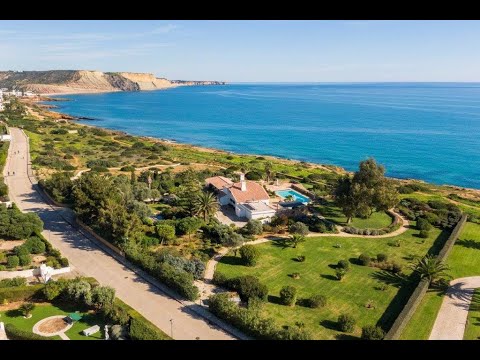
D8 Digital Nomad Portugal
Picture this: a warm summer breeze gently caresses your skin as you sit in a charming cafe in Lisbon, sipping on a freshly brewed espresso. You open your laptop, connect to the free Wi-Fi and start working on your latest project. This is the life of a digital nomad in Portugal, and let me tell you, it’s a pretty sweet one.
As a Portugal real estate agent and expat, I’ve had the pleasure of working with many international clients looking to move to Portugal and start their own digital nomad journey. And let me tell you, Portugal is quickly becoming one of the most popular destinations for remote workers around the world.
But what makes Portugal so special for digital nomads? It’s not just the stunning beaches, the world-renowned cuisine, and the vibrant culture. It’s also the thriving startup scene, the affordable cost of living, and the ease of doing business in the country.
One of the newest initiatives in Portugal aimed at digital nomads is the D8 Digital Nomad Visa program. This program provides a one-year residency permit for remote workers who meet certain eligibility criteria. It’s a game-changer for those looking to live and work in Portugal for an extended period of time.
In this guide, I’ll be sharing my personal experiences as a real estate agent and expat in Portugal, as well as practical tips and insights on how to make the most out of your digital nomad journey in Portugal. From navigating the local bureaucracy to finding the perfect accommodation and exploring all the hidden gems that this beautiful country has to offer, I’ve got you covered. So, let’s dive in and discover the wonders of Portugal for digital nomads.
What is the D8 digital nomad visa Portugal?
If you’re a digital nomad looking for a new place to call home, Portugal might just be the perfect destination for you. The country has recently introduced a new visa program specifically for digital nomads, called the D8 visa. In this article, we’ll take a closer look at what the D8 digital nomad visa Portugal is all about, and how you can apply for it.
What is a digital nomad?
First, let’s define what a digital nomad is. A digital nomad is someone who uses technology to work remotely, allowing them to live and work anywhere in the world. This often includes freelancers, entrepreneurs, and remote employees. Digital nomads are often drawn to the freedom and flexibility that comes with this lifestyle, allowing them to explore new places while still earning a living.
What is the D8 digital nomad visa Portugal?
The D8 visa is a new type of visa introduced by the Portuguese government specifically for digital nomads. It allows non-EU citizens to live and work in Portugal for up to one year, with the option to renew for an additional year. This visa is perfect for individuals who want to live and work in Portugal without having to worry about the hassle of a traditional work visa.
Who is eligible for the D8 digital nomad visa Portugal?
To be eligible for the D8 visa, you must meet the following criteria:
– You must be a non-EU citizen
– You must be able to work remotely, either for an employer outside of Portugal or as a freelancer
– You must have health insurance that covers you in Portugal
– You must have sufficient income to support yourself while living in Portugal (at least €665 per month)
– You must not have any criminal convictions
How to apply for the D8 digital nomad visa Portugal?
To apply for the D8 visa, you’ll need to gather the following documents:
– Passport with at least 6 months validity
– Proof of health insurance
– Proof of income (such as bank statements, tax returns, or a letter from your employer)
– Criminal record certificate from your home country
– Proof of accommodation in Portugal
Once you have all of your documents ready, you can submit your application online through the Portuguese Immigration and Borders Service (SEF) website. The application fee is €83.50, and processing times can vary.
Why choose Portugal for your digital nomad lifestyle?
Aside from the D8 visa program, there are many reasons why Portugal is a great destination for digital nomads. The country has a high quality of life, with great weather, delicious food, and beautiful beaches. It’s also a relatively affordable place to live compared to other European countries. In addition, Portugal has a thriving startup scene, making it a great place for entrepreneurs and freelancers.
What are the income requirements for D8 in Portugal?
Are you a digital nomad considering a move to Portugal? The D8 visa may be the perfect option for you. This visa allows remote workers to live and work in Portugal for up to a year, with the possibility of renewal. However, there are certain income requirements that you must meet in order to be eligible for the D8 visa.
What is the D8 visa?
The D8 visa is a type of visa designed for remote workers, commonly known as digital nomads, who wish to live and work in Portugal for an extended period of time. It is a temporary residence permit that allows you to stay in Portugal for up to a year, with the possibility of renewal for an additional year.
What are the income requirements for the D8 visa?
In order to be eligible for the D8 visa, you must be able to demonstrate that you have a steady source of income. The minimum income requirement is the national minimum wage, which is currently €665 per month. However, remote workers are expected to earn a higher income than this.
Most applicants for the D8 visa will need to earn at least €1,200 per month. This income can come from a variety of sources, including freelance work, remote employment, or passive income such as investments or rental income. It is important to note that you must be able to prove that you have a consistent and reliable source of income.
How can I prove my income?
There are several ways to prove your income when applying for the D8 visa. The most common method is to provide bank statements that show regular deposits from your source of income. This could be from a remote job, freelance work, or any other source of income.
You may also be asked to provide a contract or letter of agreement from your employer or clients, as well as proof of payment for any work you have completed. It is important to keep detailed records of your income and expenses in order to provide the necessary documentation.
What if I don’t meet the income requirements?
If you do not meet the income requirements for the D8 visa, there may be other options available to you. For example, you could consider the D7 visa, which is a residency visa that is designed for retirees or those who have a steady source of passive income.
Alternatively, you could explore other residency and citizenship by investment options around the world. Portugal has several other investment programs, including the Golden Visa program, which allows investors to obtain residency in exchange for a qualifying investment in Portuguese real estate or other assets.
Final Thoughts
The D8 visa is a great option for digital nomads who are looking for a temporary residence permit in Portugal. However, it is important to be aware of the income requirements and to ensure that you can provide the necessary documentation to prove your income. If you have any questions or concerns about the D8 visa or any other residency or citizenship by investment options in Portugal, it is always best to consult with a qualified professional.
Can I live in Portugal as a digital nomad?
If you’re a digital nomad and considering a change of scenery, Portugal might just be the perfect destination for you. The country has a lot to offer, from picturesque scenery and sunny beaches to a growing startup scene. And with the introduction of the D8 Digital Nomad Visa, it’s now easier than ever to make Portugal your home.
So, what is the D8 Digital Nomad Visa? Essentially, it’s a visa designed specifically for digital nomads who want to live and work in Portugal. It allows you to stay in the country for up to one year, during which time you can work for clients or companies in other countries. This means you can continue to earn your income while enjoying the benefits of living in Portugal.
To be eligible for the D8 Digital Nomad Visa, you’ll need to meet certain criteria. You must have a valid passport, be able to support yourself financially, and have health insurance that covers you in Portugal. You’ll also need to provide evidence that you work remotely, such as contracts or invoices.
If you meet the criteria, the application process is relatively straightforward. You can apply for the visa at your nearest Portuguese embassy or consulate, or through an online application process. The visa costs €360 and is valid for one year. If you want to stay in Portugal for longer, you can apply for a renewal.
One of the great things about the D8 Digital Nomad Visa is that it allows you to enjoy all that Portugal has to offer without having to worry about complicated residency requirements. You can rent an apartment, open a bank account, and even access healthcare services just like any other resident.
Of course, there are some things you should be aware of before you make the move. Portugal has its own bureaucracy, and navigating it can be challenging at times. You’ll also need to familiarize yourself with the country’s tax laws and regulations. However, there are plenty of resources available to help you, from expat forums to local lawyers.
As a real estate agent, I have helped many digital nomads find the perfect home in Portugal. From cozy apartments in Lisbon to beachfront properties in the Algarve, there’s something for everyone. And with a growing number of coworking spaces and networking events, it’s easy to connect with like-minded individuals.
So, can you live in Portugal as a digital nomad? Absolutely. With the D8 Digital Nomad Visa, you can enjoy a year in one of Europe’s most vibrant countries while continuing to work remotely. And who knows, you might just fall in love with Portugal and decide to stay for good.
What is the difference between D7 and D8 in Portugal?
Are you considering moving to Portugal, but find the residency options confusing? You’re not alone! Portugal offers a range of residency options for non-EU citizens, including the D7 visa and the recently introduced D8 visa for digital nomads. In this article, we’ll provide you with an in-depth comparison of these two options, so you can make an informed decision about which one is right for you.
D7 Visa – The Traditional Route
The D7 visa is the traditional route for individuals seeking to move to Portugal. This visa is designed for retirees, independent workers, and passive income earners. To be eligible for this visa, you need to demonstrate that you have a stable and regular income, which can be either a pension, rental income, or any other type of passive income.
One of the advantages of the D7 visa is that it allows you to bring your family members with you, including your spouse and dependent children. Another advantage is that the D7 visa allows you to apply for permanent residency after 5 years of continuous living in Portugal. This means that you can obtain Portuguese citizenship after six years, provided that you meet the other requirements, such as passing a language test.
D8 Visa – The Digital Nomad Route
The D8 visa is a recent addition to the Portuguese residency options, specifically designed for digital nomads. This visa is aimed at individuals who work remotely and have the flexibility to work from anywhere in the world. To be eligible for this visa, you need to demonstrate that you work for a company or are self-employed and earn income from another country.
One of the advantages of the D8 visa is that it allows you to live and work in Portugal without having to pay Portuguese taxes on your foreign income. Another advantage is that the D8 visa is valid for up to two years, with the possibility of renewal. However, unlike the D7 visa, the D8 visa does not provide a direct path to permanent residency or citizenship.
Which Option is Right for You?
Deciding between the D7 and D8 visa will depend on your personal circumstances and future plans. If you plan on retiring in Portugal or have a stable passive income, the D7 visa may be the best fit. On the other hand, if you work remotely and are looking for a temporary residency solution, the D8 visa may be the right choice for you.
Whatever option you choose, keep in mind that navigating the Portuguese bureaucracy can be challenging, especially for non-EU citizens. It’s always a good idea to seek the advice of a Portuguese immigration lawyer who can guide you through the process and make sure that you meet all the requirements.
In Conclusion
Portugal offers a range of residency options, including the D7 and D8 visa. The D7 visa is designed for retirees, independent workers, and passive income earners, while the D8 visa is aimed at digital nomads. Whatever option you choose, make sure to seek the advice of a Portuguese immigration lawyer to ensure that you meet all the requirements. With the right approach and professional help, obtaining residency in Portugal can be a smooth and hassle-free process.
Lisbon has become a popular destination for the LGBTQ+ community, with several gay areas and events throughout the year. The city’s progressive attitude towards LGBTQ+ rights, coupled with its favorable immigration policies and various investment opportunities, make it an excellent destination for those looking to move or invest in Portugal. As a Portugal real estate agent, I have seen firsthand the growing interest in Lisbon’s real estate market, and I can confidently say that now is an excellent time to invest in the city’s booming property sector. With its vibrant culture, welcoming community, and excellent quality of life, Lisbon offers a unique and rewarding experience for all those who choose to call it home.
Other Real Estate Investment related articles
- Algarve Real Estate Ocean View
- Best Neighbourhoods In Porto
- Best Places To Live In Portugal
- Best Places To Live In Portugal
- Buy To Let Mortgage Portugal
- Buy To Let Portugal
- Buying Property In Lisbon
- Buying Property In Portugal
- Cheap Houses For Sale In Portugal
- D7 Portugal
- Gay Areas Lisbon
- International Schools In Portugal
- Invest In Portugal
- Invest In Portugal
- Jobs In Portugal
- Living In Lisbon
- Low Density Areas In Portugal
- Mortgage Rate Portugal
- Mortgages In Portugal
- Nif Portugal
- Palaces For Sale In Portugal
- Portugal Luxury Real Estate
- Portugal Mortgage Rates
- Portugal Properties Under 50K
- Portugal Real Estate
- Portugal Real Estate Investment
- Portugal Silver Coast
- Portugal Silver Coast Real Estate
- Portugal Waterfront Real Estate
- Real Estate Investment Algarve
- Real Estate Investment Cascais
- Real Estate Investment Lisbon
- Real Estate Investment Porto
- Setubal Portugal Real Estate
- Vacation Homes Portugal
Originally posted 2023-07-19 02:56:44.