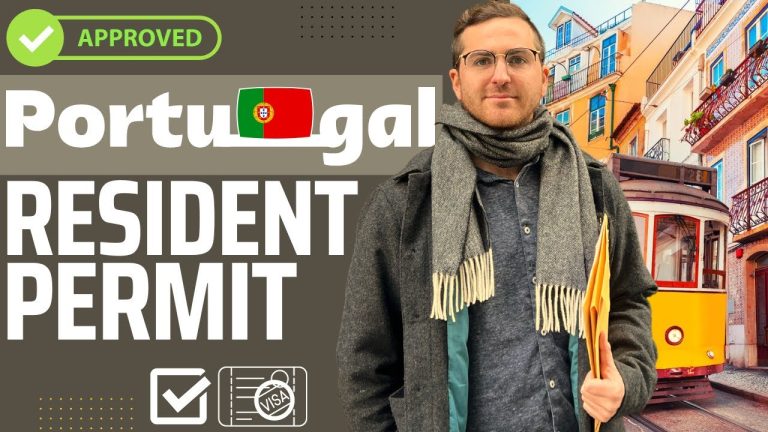
Portugal Digital Nomad Visa
As a Portugal real estate agent, I have seen a significant increase in the number of international clients interested in moving to Portugal to work remotely. Many of them are what we call “digital nomads” – professionals who can work from anywhere in the world, as long as they have a reliable internet connection. This new trend has given rise to the Portugal Digital Nomad Visa, a new type of visa designed specifically for those who want to work remotely in this beautiful country.
I have seen firsthand the benefits of this visa for those who choose to take advantage of it. One of my clients, a freelance graphic designer from the United States, was able to move to Lisbon and continue working for her American clients without any issues. She was able to enjoy the sunny beaches during the day and attend networking events in the evening, all while maintaining a steady income stream.
Another client, a software developer from Canada, decided to move his family to Porto for a year and take advantage of the Portugal Digital Nomad Visa. He found it incredibly helpful to have a local agent who could guide him through the process of finding a suitable apartment, setting up utilities, and navigating the local bureaucracy.
The Portugal Digital Nomad Visa has quickly become one of the most popular ways for remote workers to enjoy the benefits of living in Portugal while continuing to work for clients in their home countries. In this guide, I will provide you with all the information you need to know about this visa, from the application process to the benefits of living and working in Portugal as a digital nomad.
Does Portugal have digital nomad visa?
If you’re a digital nomad looking to live and work abroad, you’ve probably heard about the growing trend of countries offering specific visas for remote workers. Portugal is one such country that has caught the attention of many digital nomads worldwide. But does Portugal have a digital nomad visa? The answer is both yes and no.
Currently, Portugal does not have a specific digital nomad visa, but there are other options available for remote workers looking to live and work in the country. For example, the country offers a wide range of visas, including the Golden Visa, the D7 Visa, and the Startup Visa, which may be suitable for digital nomads depending on their situation.
The Golden Visa is a popular option for investors who are willing to invest in Portugal. It provides a residency permit for non-EU citizens who make a significant investment in the country. The minimum investment amount is €500,000, which can be in real estate, a fund, or a company. The permit allows you to live and work in Portugal, and can be renewed every two years.
The D7 Visa is a visa designed for those who can prove that they have a regular source of income, such as remote work or retirement income. This visa does not require any investment in the country but requires proof of the means to support yourself while living in Portugal. The D7 Visa is valid for one year and can be renewed annually.
The Startup Visa is a visa designed for entrepreneurs looking to start a business in Portugal. However, it may also be suitable for digital nomads who wish to start their own business while in the country. The visa requires a business plan and an investment in the business, as well as proof of sufficient funds to support yourself while living in Portugal.
While Portugal may not have a specific digital nomad visa, it offers several options that may be suitable for remote workers looking to move to the country. As a Portugal-based real estate agent, I’ve witnessed a surge of interest in the country due to its quality of life, low cost of living, and beautiful weather. If you’re considering moving to Portugal, I recommend researching the different visa options available to find the one that fits your needs best.
The Golden Visa, the D7 Visa, and the Startup Visa are all viable options depending on your situation. As with any visa application, it’s essential to do your research, gather all the necessary documentation, and seek professional advice where necessary.
What is the minimum salary for a digital nomad visa in Portugal?
If you’re a digital nomad looking for a place to settle down for a while, Portugal might just be the perfect destination for you. Portugal has recently introduced a digital nomad visa, which allows remote workers to live and work in the country for up to a year.
One of the main requirements for obtaining a digital nomad visa in Portugal is proving that you have a steady source of income. This income can come from remote work, freelance projects, or any other type of online work. However, you must be able to show that you earn at least the minimum salary in Portugal.
So, what is the minimum salary for a digital nomad visa in Portugal? As of 2021, the minimum salary in Portugal is €665 per month. This means that to be eligible for a digital nomad visa, you must be able to show that you earn at least €665 per month.
Keep in mind that this is the minimum requirement, and you may need to show a higher income depending on your personal circumstances. For example, if you have dependents or a higher cost of living, you may need to show a higher income to support yourself.
It’s also important to note that the digital nomad visa is not a work visa, so you cannot work for a Portuguese employer while on this visa. However, you can work for foreign clients while living in Portugal.
If you’re interested in applying for a digital nomad visa in Portugal, make sure you have all the necessary documentation to prove your income and meet the other requirements. You’ll also need to show proof of health insurance and provide a criminal record check.
And with the minimum salary set at a reasonable level, it’s an accessible option for many digital nomads looking to call Portugal home for a while.
How to apply for a D7 visa in Portugal?
Are you a digital nomad looking for a place to settle down? Consider Portugal! Recently, Portugal introduced a new visa category specifically for digital nomads called the “Portugal Digital Nomad Visa.” However, if you plan on staying in Portugal for a longer period, you may want to consider a D7 visa instead. In this article, I’ll provide you with a step-by-step guide on how to apply for a D7 visa in Portugal.
What is a D7 Visa?
Before diving into the application process, it’s important to understand what a D7 visa entails. A D7 visa is a long-term residency visa for those who plan on living in Portugal for an extended period of time, such as retirees or those who have the means to support themselves without the need for employment in the country. It is also a popular option for individuals seeking to relocate to Portugal through the Residency by Investment program.
Step 1: Gather Required Documents
The first step in applying for a D7 visa is to ensure you have all the necessary documents. These include:
– A completed application form
– A valid passport
– Proof of health insurance
– Proof of financial means to support yourself (such as bank statements and proof of income)
– Criminal record certificate from your home country
– Proof of accommodation in Portugal
Be sure to check the Portuguese embassy or consulate in your home country for any additional requirements.
Step 2: Schedule an Appointment
Once you have all the necessary documents, you’ll need to schedule an appointment at the Portuguese embassy or consulate in your home country. It’s important to note that some embassies or consulates may have a long waiting list, so it’s best to schedule your appointment well in advance.
Step 3: Attend Your Appointment
During your appointment, you’ll need to submit your completed application form and all the required documents. You’ll also be required to pay a visa application fee.
Step 4: Wait for Approval
After submitting your application, you’ll need to wait for approval. The processing time varies depending on the embassy or consulate, but it typically takes around two to three months. Once approved, you’ll receive your D7 visa and can begin your journey to Portugal.
What is the difference between D7 and D8 visa in Portugal?
If you are considering moving to Portugal as a digital nomad or an investor, you might have come across the terms D7 and D8 visas. These two visas have been in the spotlight in recent times, especially with the introduction of the Portugal Digital Nomad Visa program.
D7 Visa
The D7 visa is designed for individuals who wish to retire, live, or invest in Portugal. This visa is also known as the Passive Income Visa, as it requires the applicant to prove that they have a stable source of income without having to work in Portugal. This visa is suitable for retirees who want to enjoy their golden years in Portugal or investors who want to take advantage of the booming real estate market.
The D7 visa requires the applicant to have a minimum income of €7,620 per year, which can come from various sources such as rental income, dividends, or pensions. The applicant must also have health insurance and a clean criminal record. The visa is valid for one year and can be renewed for up to two years, after which the applicant can apply for permanent residency or citizenship.
D8 Visa
The D8 visa, on the other hand, is designed for individuals who wish to work or start a business in Portugal. This visa is suitable for digital nomads, freelancers, entrepreneurs, and investors who wish to live and work in Portugal. The D8 visa requires the applicant to have a job offer or a business plan that will create jobs and contribute to the Portuguese economy.
The D8 visa is valid for one year and can be renewed for up to two years. After the third year, the applicant can apply for permanent residency or citizenship. The D8 visa also requires the applicant to have health insurance and a clean criminal record.
Which Visa is Right for You?
Deciding between the D7 and D8 visa depends on your personal circumstances and goals. If you are looking to retire or invest in Portugal without working, the D7 visa is the right choice for you. On the other hand, if you are a digital nomad, freelancer, or entrepreneur who wants to work or start a business in Portugal, the D8 visa is the way to go.
Regardless of which visa you choose, Portugal is a great destination for digital nomads, retirees, and investors. The country offers a high quality of life, affordable cost of living, and a thriving startup scene. If you need help navigating the Portuguese bureaucracy or finding the right investment opportunity, don’t hesitate to reach out to a local real estate agent or immigration lawyer.
I hope this article has provided you with a better understanding of the difference between the D7 and D8 visas in Portugal. Good luck with your Portuguese adventure!
Portugal’s Golden Visa program has become a popular option for many international investors seeking a European residence permit. While the program does require a thorough background check, it offers a range of benefits, including access to Portugal’s high-quality healthcare system and education system. Additionally, the Portuguese real estate sector has proved to be a solid investment option, with high rental yields and low property taxes. As a Portugal real estate agent, I have seen firsthand the positive impact that the Golden Visa program has had on the country’s economy, attracting investors from all over the world. With its stable political and economic climate, Portugal remains an attractive option for those looking to invest in real estate and obtain a European residency.
Other Portugal Visa Residency by Investment related articles
- Benefits Of Portugal Passport
- Benefits Of Portuguese Citizenship
- Citizenship In Portugal
- Cultural Production Golden Visa Portugal
- D2 Visa Portugal
- D3 Visa Portugal
- D7 Visa Portugal
- D7 Visa Vs Golden Visa Portugal
- Golden Visa Portugal
- Golden Visa Portugal For South Africans
- Golden Visa Portugal Suspended
- Golden Visa Spain Vs Portugal
- Living In Portugal As An Expat
- Moving To Portugal
- Portugal Citizenship By Investment
- Portugal Golden Visa Background Check
- Portugal Golden Visa Biometrics Appointment
- Portugal Golden Visa Changes
- Portugal Golden Visa Cryptocurrency
- Portugal Golden Visa Healthcare
- Portugal Golden Visa Language Test
- Portugal Golden Visa Statistics
- Portugal Immigration
- Portugal Passport Visa Free Countries
- Portugal Student Visa
- Portugal Visa Types
- Portuguese Citizenship With The Golden Visa Program
- Retirement Visa Portugal
- Visa Requirements For Portugal
Originally posted 2023-07-09 02:45:31.