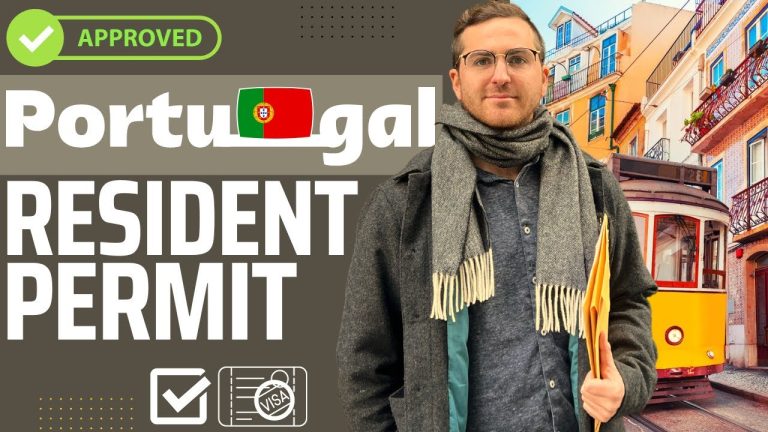
D7 Visa Portugal
Are you looking for a way to relocate to Portugal and stay for an extended period of time? Look no further than the D7 Visa. As a real estate agent in Portugal who has worked with numerous international clients, I can attest to the popularity and benefits of the D7 Visa.
As an American who also made the move to Portugal, I know firsthand the challenges of navigating the bureaucracy and immigration processes. That’s why I highly recommend the D7 Visa, which allows non-EU citizens to reside in Portugal for up to two years. This visa is ideal for those who want to retire, work remotely, or invest in Portugal and enjoy the Mediterranean lifestyle.
Having helped clients with the D7 Visa process, I can say that it’s not as complicated as it may seem. However, it does require some preparation and organization. From gathering the necessary documents to opening a Portuguese bank account, I can guide you through each step of the process.
Moreover, once you obtain the D7 Visa, you’ll have access to a wealth of investment opportunities in Portugal, including real estate. As a real estate agent, I know the ins and outs of the Portuguese property market, and can help you find the perfect investment property in this beautiful country.
So if you’re looking for a way to make your move to Portugal a reality, consider the D7 Visa. It’s a popular and practical solution for those looking to enjoy the Mediterranean lifestyle, invest in Portugal, or work remotely. Let me guide you through the process and help you make Portugal your new home.
Who is eligible for D7 visa in Portugal?
If you’re considering moving to beautiful Portugal, one of the best ways to do so is with a D7 visa. This visa allows you to live in Portugal for up to a year and can be renewed for up to three years. But who is eligible for this visa?
Firstly, the D7 visa is designed for individuals who have sufficient funds to support themselves during their stay in Portugal without relying on Portuguese social services. The amount required varies depending on the number of people in your household, but as a general rule, you should have at least €7,500 for one person and an additional €3,000 for each dependent.
Additionally, to be eligible for the D7 visa, you must also have health insurance that covers you for the duration of your stay in Portugal. It’s important to note that not all health insurance plans are accepted, so make sure you research beforehand which ones are accepted in Portugal.
Another requirement for the D7 visa is a clean criminal record. You will need to provide a police clearance certificate from your home country or any other country where you have lived for more than six months in the last year.
You will also need to provide evidence of accommodation in Portugal, such as a lease agreement or a property deed. If you’re planning to rent, it’s a good idea to research the rental market in advance to find a place that fits your budget and needs.
Finally, you will need to prove that you have a regular source of income. This can be through employment or investments, but the key is to show that you have a steady stream of income that can support you during your stay in Portugal.
While there are certain requirements that must be met, with careful planning and preparation, obtaining a D7 visa can be a smooth and straightforward process. If you’re considering this visa option, be sure to research thoroughly and seek professional advice if necessary. Portugal is a great destination for individuals looking for residency or citizenship options, and the D7 visa is just one of the many ways to make it happen.
Is Portugal D7 visa easy to get?
If you are considering moving to Portugal, you may have heard about the D7 visa. This visa is designed for people who wish to retire or live in Portugal as independent earners without the need for employment. But how easy is it to get? Let’s dive into the details.
What is the D7 visa?
The D7 visa is a long-term residence visa that allows non-EU citizens to stay in Portugal for up to one year, with the option to renew for an additional two-year period. It is ideal for people who wish to retire, live as independent earners, or invest in Portugal.
Requirements for the D7 visa
To be eligible for the D7 visa, you must meet the following requirements:
- Be a non-EU citizen
- Have a minimum income of €7,200 per year, or €12,000 if you plan to bring a spouse or dependents
- Have health insurance that covers Portugal
- Have no criminal record
- Be able to support yourself financially without the need for employment in Portugal
Is the D7 visa easy to get?
The answer to this question depends on your individual circumstances. If you meet all the requirements and provide all the necessary documentation, the process of obtaining a D7 visa is relatively straightforward. However, navigating the Portuguese bureaucracy can be challenging, especially if you do not speak the language or are not familiar with the process.
It is important to note that the D7 visa is not a path to citizenship in Portugal. It is a temporary residency permit that allows you to live in the country for a set period. If you wish to become a Portuguese citizen, you must meet additional requirements, including living in the country for at least five years and passing a Portuguese language test.
Tips for obtaining a D7 visa
If you are considering applying for a D7 visa, here are some tips to help you navigate the process:
- Work with an experienced immigration lawyer who can guide you through the process and help you gather all the necessary documentation.
- Make sure you have all the required financial documents, including bank statements, tax returns, and proof of income.
- Be prepared to provide translations of all documents that are not in Portuguese.
- Be patient and persistent. The process of obtaining a D7 visa can take several months, and there may be delays along the way.
With the right preparation and guidance, the process of obtaining a D7 visa can be relatively straightforward. Good luck!
How much money do you need to get a D7 visa in Portugal?
If you’re considering moving to Portugal, you may have heard about the D7 visa – a popular option for those looking to relocate to this sunny European country. The D7 visa is a long-term visa that allows non-EU citizens to live in Portugal for up to a year and is renewable for two additional years.
But one of the most common questions about the D7 visa is, “How much money do I need to get one?” The answer is not straightforward since there are various factors to consider. In this article, we’ll go through the different expenses to expect and provide an estimate of how much money you’ll need to obtain a D7 visa in Portugal.
The D7 visa requirements
The D7 visa requires you to prove that you have sufficient funds to support yourself while living in Portugal. At the time of writing, the minimum monthly income required for a single applicant is €665.00 per month, which means you’ll need to have at least €7,980.00 per year. If you plan to bring your family members, you’ll need to show an additional €199.00 per month per dependent.
Housing costs
One of the significant expenses you’ll have to consider when moving to Portugal is housing costs. Depending on the city you choose to live in, the cost of living can vary. In Lisbon and Porto, for example, housing prices are higher compared to other smaller cities. You can expect to pay between €600 and €1,000 per month for a one-bedroom apartment in these cities. If you prefer to rent a larger house, or if you want to live in a more central location, the cost will increase. Make sure to budget for at least three months of rent in advance, as most landlords require a deposit and the first month’s rent upfront.
Transportation costs
Getting around Portugal can be affordable, especially if you use public transportation. A monthly metro pass in Lisbon, for example, costs around €36, and you can use it on buses, trams, and trains within the city. If you prefer to use a private car, keep in mind that you’ll have to pay for gas, tolls, and parking fees, which can add up quickly.
Health insurance costs
To obtain a D7 visa, you’ll need to have valid health insurance that covers you in Portugal. The cost of health insurance can vary depending on your age, pre-existing medical conditions, and the type of coverage you choose. On average, you can expect to pay between €50 and €100 per month for health insurance.
Other expenses to consider
Apart from the above expenses, you’ll also need to budget for food, utilities, and leisure activities. A grocery bill for a single person can cost around €150 per month, while eating out at a restaurant can range from €10 to €25 per meal. If you enjoy attending events or going to the movies, expect to pay between €5 and €20 per ticket.
The total cost of obtaining a D7 visa in Portugal
Taking all the above expenses into account, you’ll need to have at least €15,000 to €20,000 per year to obtain a D7 visa in Portugal. This amount will cover your visa application fees, housing costs, transportation, health insurance, and other expenses. Keep in mind that this is just an estimate, and your expenses may vary depending on your lifestyle and the city you choose to live in.
If you’re considering relocating to Portugal, make sure to research the cost of living in different cities, and budget accordingly. With some planning and preparation, you can make your move to Portugal a smooth and enjoyable experience.
How long can you live in Portugal with a D7 visa?
If you’re considering living in Portugal and you’re not a citizen of the European Union, you may need to apply for a visa. One of the most common visas for non-EU citizens is the D7 visa, which is designed for those who wish to retire, invest, or simply live in Portugal for an extended period of time. In this article, we’ll discuss the details of the D7 visa, including how long you can live in Portugal with it.
What is a D7 visa?
The D7 visa is a type of visa that allows non-EU citizens to live in Portugal for an extended period of time. This visa is designed for those who have a steady source of income, such as retirees or investors, and who wish to live in Portugal without working.
How long can you stay in Portugal with a D7 visa?
With a D7 visa, you can stay in Portugal for up to two years. Once your visa expires, you can apply for a renewal, which will allow you to stay in the country for an additional two years. After five years of living in Portugal with a D7 visa, you may be eligible to apply for permanent residency.
What are the requirements for a D7 visa?
To apply for a D7 visa, you must meet the following requirements:
– You must have a steady source of income, such as retirement benefits or investment income.
– You must have health insurance that covers you in Portugal.
– You must have a place to live in Portugal, such as a rented apartment or a bought property.
– You must not have a criminal record.
How do you apply for a D7 visa?
To apply for a D7 visa, you must submit your application to the Portuguese embassy or consulate in your home country. You will need to provide proof of your income, health insurance, and accommodation, as well as a criminal record check. You may also need to attend an interview at the embassy or consulate.
Portugal’s D7 visa program is a great opportunity for foreign investors looking to establish themselves in the country. The program provides various benefits, including access to Portuguese residency, healthcare, education, and a pathway to citizenship. Furthermore, Portugal’s real estate market is thriving, and foreign investors have the opportunity to acquire properties in prime locations at affordable prices. With a deep understanding of local bureaucracy, immigration processes, and investment opportunities in Portugal, we are confident that our readers will find this guide useful in navigating the Portuguese bureaucracy and making informed decisions on investments in Portugal. Ultimately, we hope that this article has provided readers with a genuine and insightful perspective on the D7 visa program and the opportunities it presents for those looking to make Portugal their new home.
Other Portugal Visa Residency by Investment related articles
- Benefits Of Portugal Passport
- Benefits Of Portuguese Citizenship
- Citizenship In Portugal
- Cultural Production Golden Visa Portugal
- D2 Visa Portugal
- D3 Visa Portugal
- D7 Visa Vs Golden Visa Portugal
- Golden Visa Portugal
- Golden Visa Portugal For South Africans
- Golden Visa Portugal Suspended
- Golden Visa Spain Vs Portugal
- Living In Portugal As An Expat
- Moving To Portugal
- Portugal Citizenship By Investment
- Portugal Digital Nomad Visa
- Portugal Golden Visa Background Check
- Portugal Golden Visa Biometrics Appointment
- Portugal Golden Visa Changes
- Portugal Golden Visa Cryptocurrency
- Portugal Golden Visa Healthcare
- Portugal Golden Visa Language Test
- Portugal Golden Visa Statistics
- Portugal Immigration
- Portugal Passport Visa Free Countries
- Portugal Student Visa
- Portugal Visa Types
- Portuguese Citizenship With The Golden Visa Program
- Retirement Visa Portugal
- Visa Requirements For Portugal
Originally posted 2023-07-11 07:19:11.